Brazil is rapidly becoming one of Latin America’s most lucrative growth frontiers for electric bicycles (e-bikes). Urban gridlock in major metropolises like São Paulo and Rio de Janeiro, expanding cycling infrastructure, and corporate green initiatives are accelerating demand for personal e-mobility solutions.
For international manufacturers and e-bike exporters looking to enter the Brazilian market, understanding the local regulatory framework—specifically CONTRAN Resolution 996—along with import taxation structures, is essential for strategic market entry.
CONTRAN Resolution 996/2023: Regulatory Framework
The Brazilian light electric vehicle market is governed by Resolution 996/2023 (Resolução CONTRAN nº 996/2023), issued by the National Transit Council. This regulation clearly differentiates standard pedelecs (electric bicycles) from mopeds (ciclomotores) and light motorcycles.
To qualify strictly as an electric bicycle in Brazil—exempting riders from driver’s license requirements (CNH), vehicle registration (RENAVAM), and license plates—the vehicle must meet the following parameters:
- Maximum Power: Up to 1,000 Watts nominal motor power.
- Top Speed Limit: Motor assistance must cut off automatically at 25 km/h (15.5 mph).
- Pedal Assist (PAS): Motor output must depend on pedaling; throttle-only acceleration is prohibited except for walk-assist mode up to 6 km/h.
- Mandatory Equipment: Speedometer, bell/horn, front/rear/side reflectors, and a left rearview mirror.
Import Warning: Any imported e-bike exceeding 1,000W or a 25 km/h motor cutoff speed is legally classified as a ciclomotor (moped), subjecting the vehicle to strict motor vehicle licensing, mandatory helmet laws, and insurance requirements.
The electric bicycles we supply can meet the requirements of Brazil, and there are also many upgrades and optional DIY projects. If you are pursuing quality, you will not regret cooperating with us
Market Volume Projections & Export Opportunities
Brazil’s e-bike adoption presents a high-growth trajectory, with annual sales shifting from niche consumer purchases to mainstream urban transit and commercial delivery fleets.
| Year | Estimated Unit Sales | Import Share (%) | Market Volume (USD) |
| 2023 | 52,000 units | 32% | $48.5M |
| 2024 | 63,000 units | 30% | $61.2M |
| 2025 | 75,000 units | 28% | $76.8M |
| 2026 (P) | 89,000 units | 27% | $94.5M |
| 2028 (P) | 125,000 units | 25% | $138.0M |
High-Potential Export Categories
- Mid-Drive E-MTBs (Electric Mountain Bikes): Brazil features a robust off-road riding community. Because local assembly of complex mid-drive motor systems (e.g., Bosch, Shimano, Brose) is limited, imported complete mid-drive e-MTBs enjoy high demand in the premium market segment.
- Last-Mile E-Cargo Bikes: Major delivery applications and courier services in South America are heavily investing in e-cargo fleets to bypass traffic congestion and achieve zero-emission operational targets.
- OEM Components & Lithium Battery Systems: Local assemblers rely on imported smart BMS lithium-ion battery packs, motor controllers, and integrated display units.
Import Tariffs & Compliance (NCM Code 8711.60.00)
Navigating Brazilian customs (Receita Federal) requires factoring in local import duties applied under Mercosur Common Nomenclature code NCM 8711.60.00.
- Import Duty (II): 35% (applied to fully assembled CBU bicycles).
- Industrialized Products Tax (IPI): 6% to 15%.
- PIS / COFINS: ~11.75% combined social contribution import taxes.
- ICMS (State Tax): Ranges between 12% and 18%, depending on the destination state.
- Technical Compliance: Electrical components require INMETRO safety testing. Models incorporating wireless telemetry or Bluetooth connectivity must secure ANATEL telecommunications certification.
Market Entry Strategies for Global Brands
- SKD / CKD Assembly Kits: Shipping Semi-Knock-Down (SKD) or Complete-Knock-Down (CKD) kits to local assembly hubs in the Manaus Free Trade Zone (Zona Franca de Manaus – ZFM) significantly lowers import duties compared to shipping fully built units.
- Speed-Lock Compliance: Factory-lock all exported units to a maximum 25 km/h assisted speed limit and provide clear technical documentation in Portuguese to clear customs smoothly.
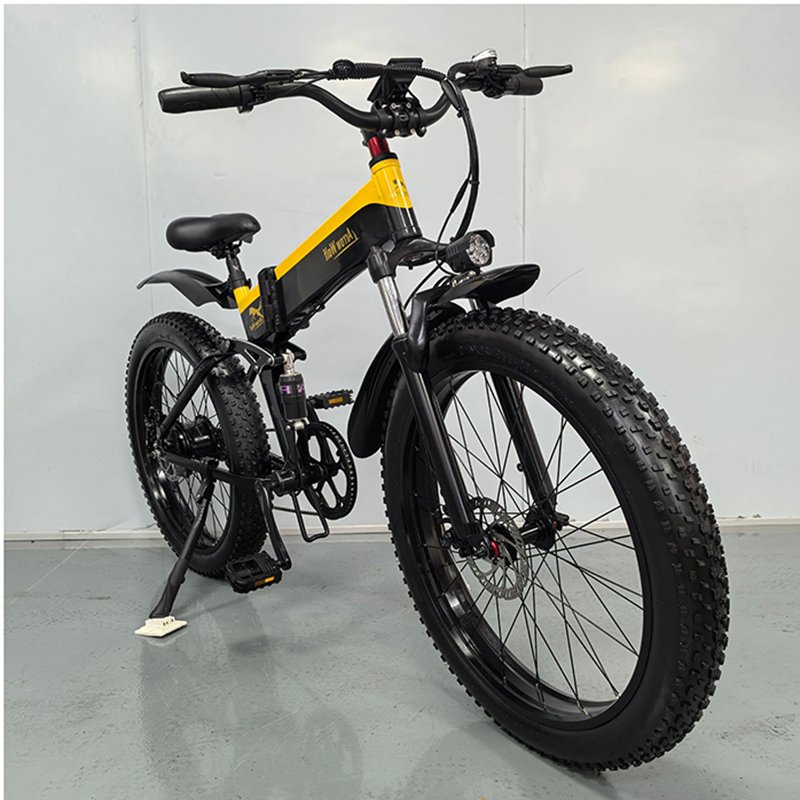
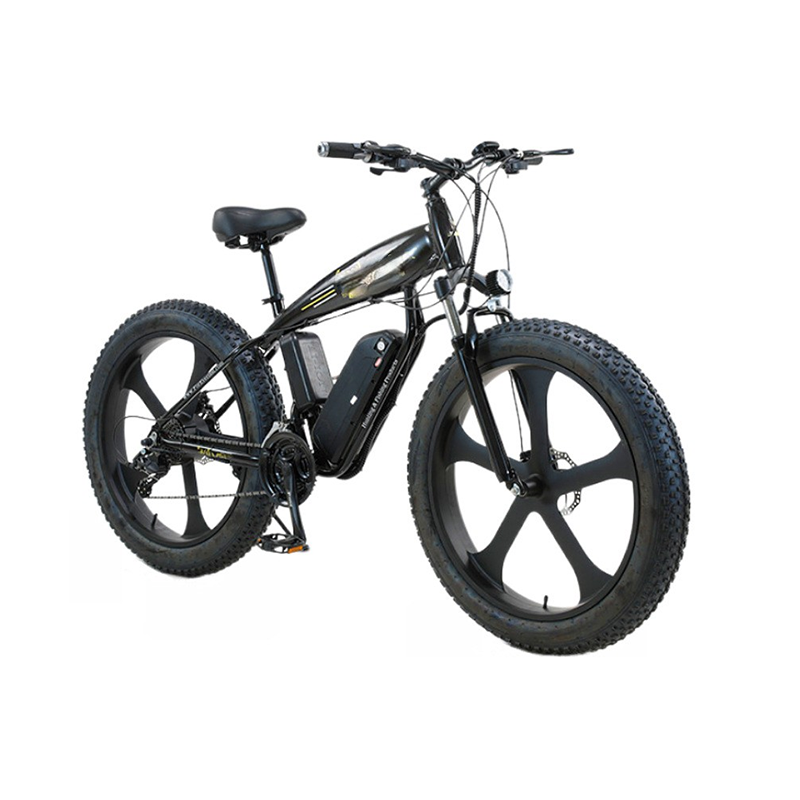
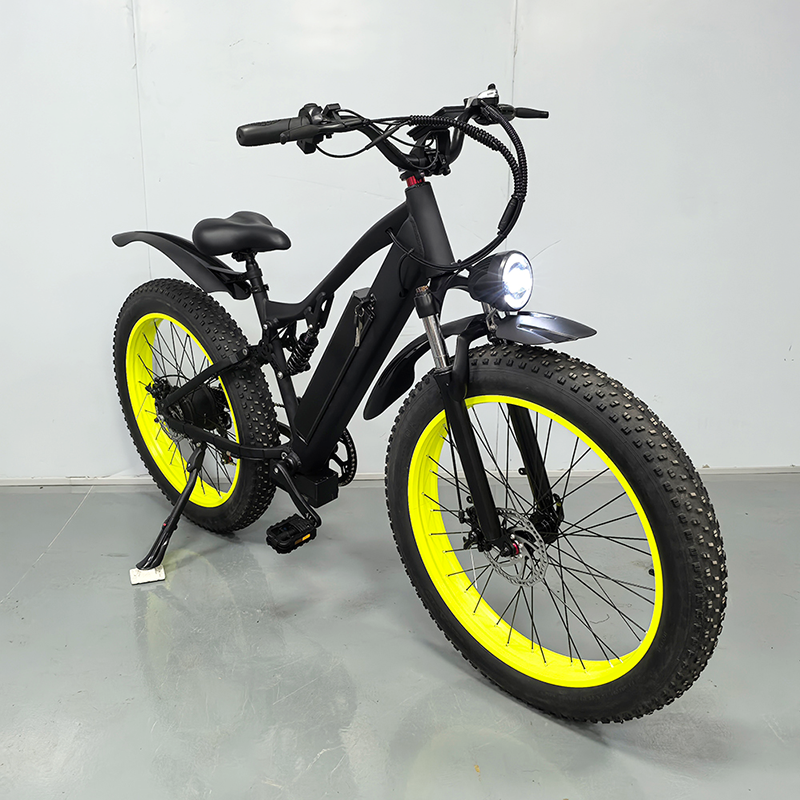
- Focus on All-Terrain & Fat Tire Segments: Models with fat tires (26″ x 4.0″) and robust dual-suspension setups appeal strongly to Brazilian buyers navigating diverse road conditions and off-road trails.
How do Chinese electric bike manufacturers feel about that?
Chinese manufacturers of electric two-wheelers, light EVs, and e-bikes generally view Brazil’s CONTRAN Resolution 996/2023 as a net positive and strategic opportunity, though it comes with targeted compliance challenges.
Rather than viewing the regulation as a barrier, major Chinese export brands and OEM suppliers broadly favor the policy for several reasons:
- Market Clarity & Legal Legitimacy: Before Resolution 996, vague transit laws created gray areas where e-bikes and light electric vehicles risked sudden seizures or local bans. Chinese exporters value the clear, national four-tier framework because it legally legitimizes personal e-mobility tools, giving local distributors and consumers the confidence to buy.
- Expansion of the “Tier 1 & Tier 2” Exemption Zones: Under Resolution 996, pedal-assist e-bikes (up to 1,000W / 25–32 km/h) and self-propelled equipment (scooters/throttled light commuters within specific dimensions) remain exempt from license plates, driver’s licenses (CNH), and vehicle registration. Chinese brands—who specialize in high-volume, cost-effective commuter models—see this exemption as a massive commercial green light for entry-level models.
- Strategic Advantage Over Legacy Mopeds: By establishing strict technical cut-offs between e-bikes and mopeds (ciclomotores), Resolution 996 makes higher-power gas/electric mopeds (1000W–4000W) expensive due to mandatory registration, VIN tags (RENAVAM), and license requirements. Chinese factories producing compliant 250W–1000W drive systems now hold a strong competitive edge over heavier moped classes.
- Export Product Alignment: Most Chinese manufacturers already build e-bikes tailored to European (EN15194) or North American standards (250W–750W PAS systems). Adapting production lines for Resolution 996’s 1,000W ceiling and mandatory basic safety gear (speedometer, bell, mirrors, reflectors) requires minimal engineering adjustment.
Where Chinese Manufacturers Express Concern:
- Customs Documentation & Power Audits: Brazilian customs and local enforcement require strict proof that imported bikes comply with the 1,000W nominal cap and PAS cutoff limits. Chinese suppliers must ensure factory firmware locks cannot be easily bypassed, as illegal speed unlocks jeopardize the importer’s “Tier 1” tax status.
- Local Assembly (CKD/SKD) Push: Combining Resolution 996 compliance with Brazil’s heavy 35% import tariff on fully assembled (CBU) e-bikes creates pressure on Chinese brands to move away from direct exports and partner with local assembly plants in the Manaus Free Trade Zone (ZFM).
Chinese manufacturers view Resolution 996 not as a restriction, but as a standardized roadmap that stabilizes the Brazilian market and accelerates mass-market adoption for compliant e-mobility products.
